
Direct Answer: The Secret Water Shedder vs. Waterproofer Architecture
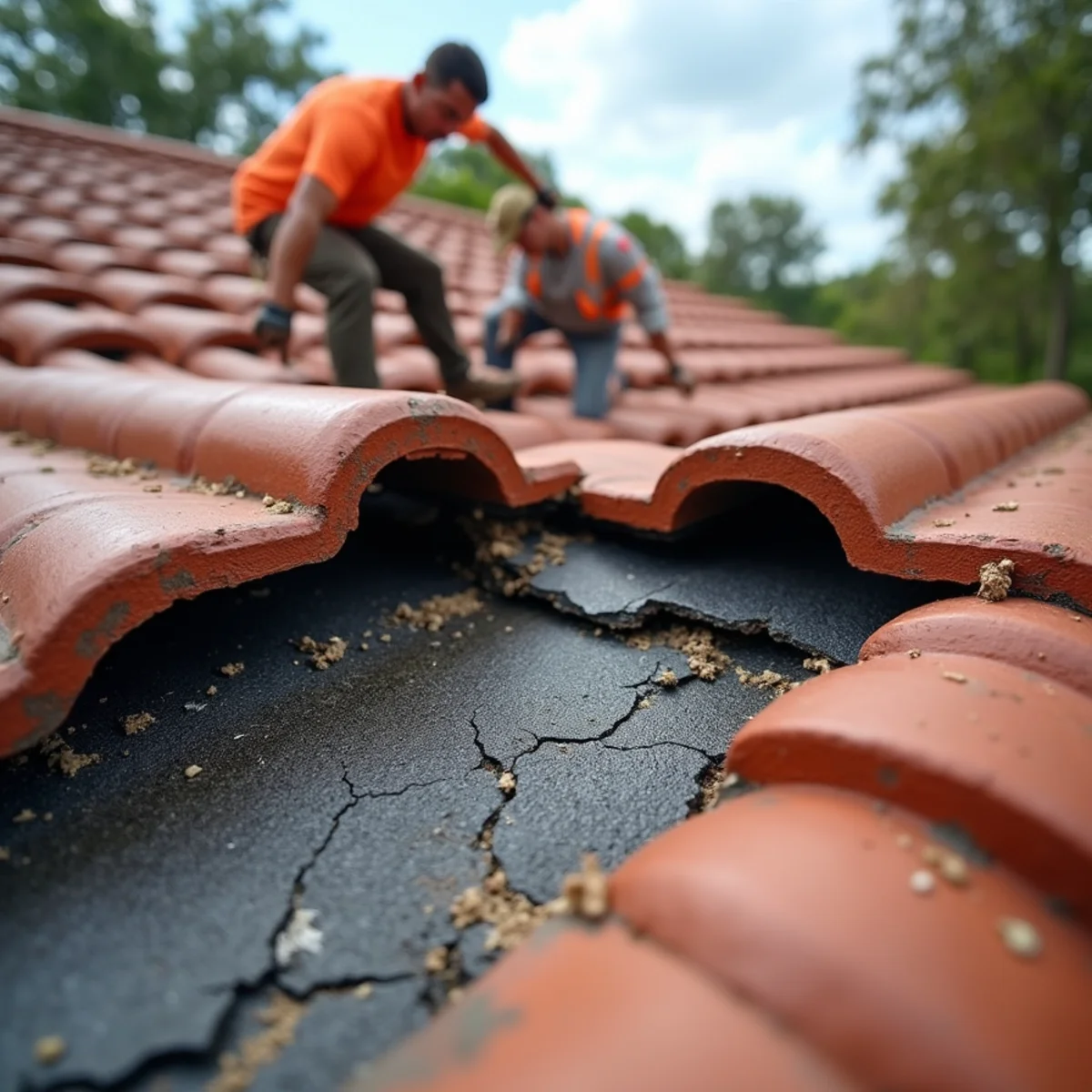
The primary reason tile roofs leak when every tile appears pristine is a fundamental misunderstanding of tile roof mechanics: concrete and clay tiles are not waterproof membranes; they are water shedders and sun shields. The actual waterproof barrier protecting your home is the underlayment membrane installed directly onto the plywood roof decking beneath the tiles.
Concrete and clay barrel tiles have open joints, air gaps, and weep channels that naturally allow wind-driven rain and condensation to penetrate behind them. In coastal Florida, when the underlying organic felt paper or builder-grade underlayment degrades from extreme thermal cycling, water flows directly through dried-out, cracked felt into the structural wood decking, creating severe interior leaks without a single damaged tile above.
The Micro-Oven Effect: Pinellas Thermal Cycling and 160°F Attic Radiation
Clearwater experiences intense solar irradiance throughout the year. Concrete and clay tiles absorb massive amounts of radiant heat, reaching surface temperatures of 150°F to 170°F during summer afternoons.
This radiant energy transfers directly into the air cavity between the tiles and the roof deck, creating a micro-oven environment. Traditional #30 or #90 asphalt-saturated organic felt contains volatile petroleum oils that evaporate under sustained high temperatures. Over 15 to 20 years, the felt transforms into brittle, potato-chip-like paper that cracks during routine thermal expansion and contraction, leaving the wood sheathing completely unprotected.
Need Immediate Guidance on Your Clearwater Roof?
Speak with our local coordinator at (773) 207-0769. Open 24/7 with rapid Pinellas County response.
Organic Felt vs. Modern High-Temp Modified Bitumen Membranes
The underlayments installed on Florida tile roofs in the 1990s and early 2000s were never engineered for the brutal realities of modern climate expectations. Today's Florida Building Code mandates dramatically superior materials.
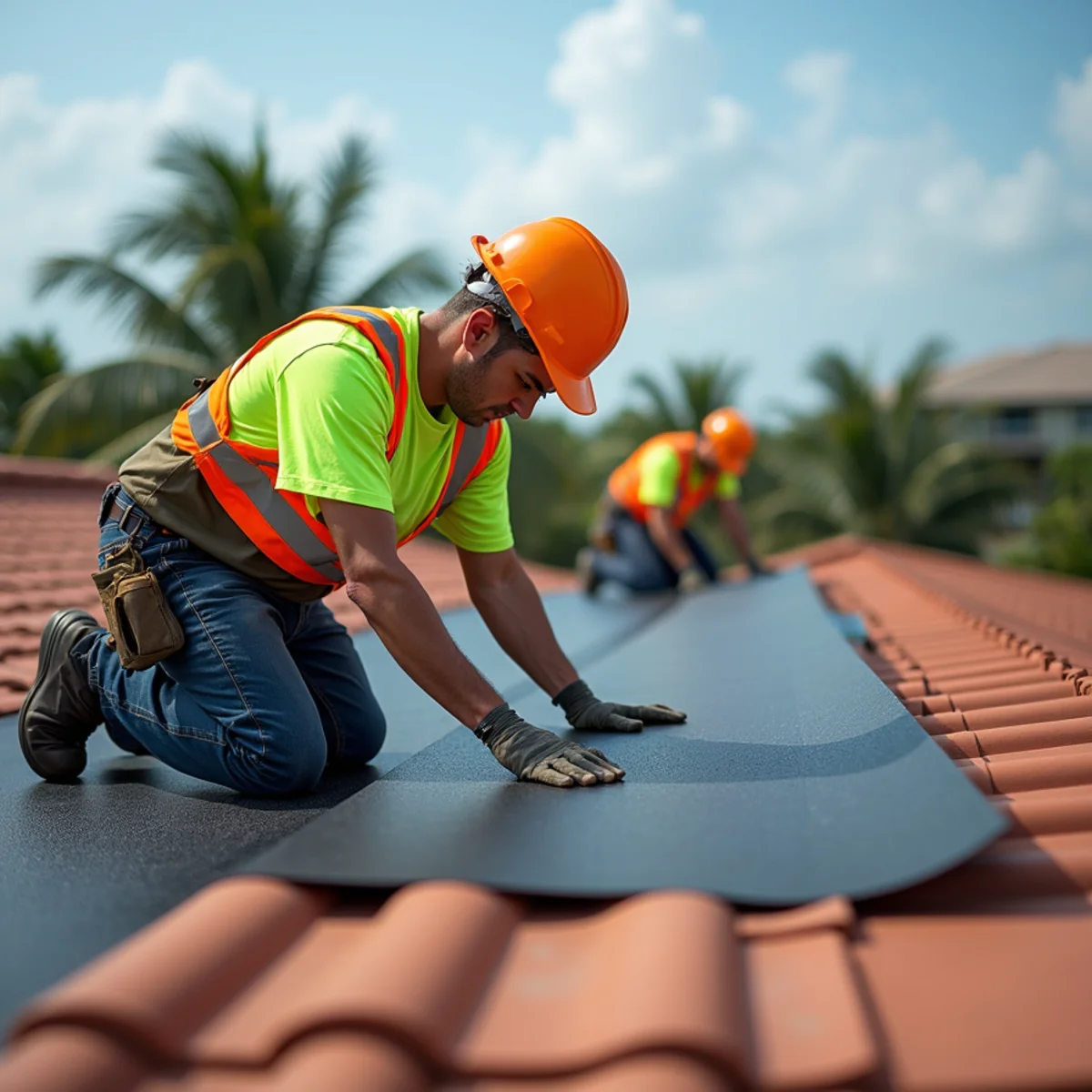
Modern high-temperature self-adhering modified bitumen underlayments (often called 'peel-and-stick' membranes) are reinforced with polyester and glass mats. They feature elastomeric SBS polymers that maintain flexibility at temperatures up to 250°F. When roofing fasteners penetrate these advanced membranes, the rubberized asphalt flows around the nail shank, creating a permanent watertight gasket that resists water backup.
The Lift and Relay Process: Preserving Costly Tiles While Renewing the Waterproof Deck
When underlayment fails on a tile roof, homeowners frequently assume they must pay $45,000 to $70,000 for a brand new tile roof. Fortunately, there is a proven engineering solution: a professional 'Tile Lift and Relay'.
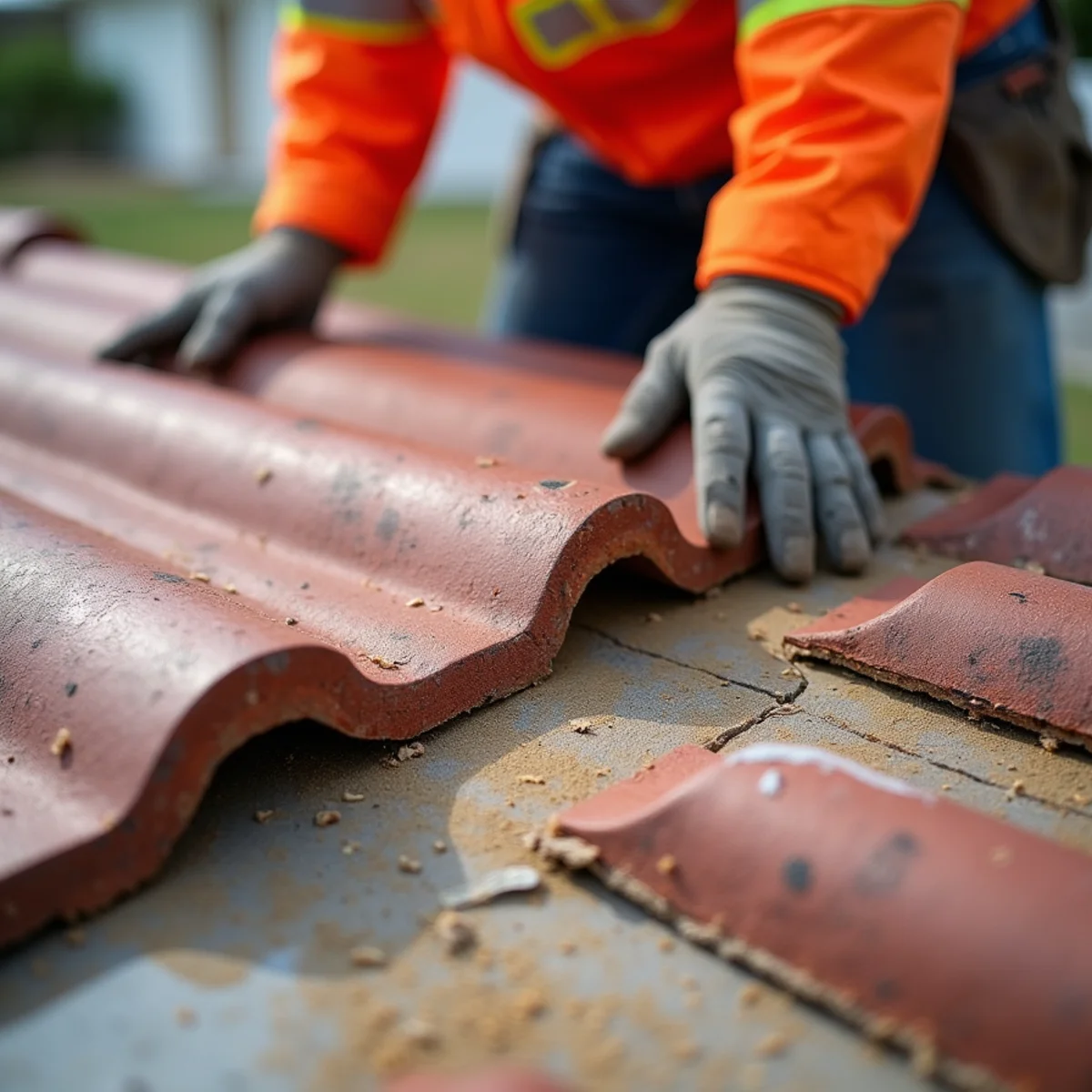
Because high-quality concrete and clay tiles have physical lifespans of 50 to 100 years, crews can carefully dismantle existing tiles from the affected slopes, stack them safely, strip off the decayed felt, repair any rotted plywood decking, and install a state-of-the-art dual-ply high-temp self-adhering membrane. The original tiles are then reinstalled using stainless steel screws or foam adhesive, saving homeowners 40% to 60% compared to buying new tiles.
- Tile Staging and Palletizing: Carefully unclipping and numbering sound tiles to avoid cracking fragile edges.
- Deck Scrubbing and Rot Replacement: Removing decayed paper and replacing rotted plywood sheathing with code-approved CDX.
- High-Temp Polymer Dry-In: Installing dual-layer direct-to-deck modified bitumen rated for extreme tile heat.
- Flashing Renewal: Installing new 26-gauge galvanized or copper valley pans, eave drip edges, and wall step flashing.
- Re-installation & Mortar Pointing: Setting original tiles with wind-rated mechanical fasteners and fresh pigmented mortar packs.
Tile Lift & Relay vs. Complete Tile Replacement Comparison
Deciding between lifting and relaying existing tiles versus full replacement depends on tile condition, profile availability, and long-term budget.
| Consideration | Tile Lift and Relay | Complete New Tile Reroof |
|---|---|---|
| Average Cost (Pinellas) | $14,000 – $26,000 | $38,000 – $65,000+ |
| Tile Material Cost | $0 (reutilizes existing tiles) | $12,000 – $22,000+ for new tiles |
| Underlayment Quality | Identical (high-temp SBS modified bitumen) | Identical (high-temp SBS modified bitumen) |
| HOA / Aesthetic Match | 100% exact architectural continuity | Subject to HOA approval for new tile color/profile |
| Warranty Coverage | 10 to 15-year workmanship & underlayment warranty | 20 to 25-year comprehensive manufacturer warranty |
| Landfill Impact | Zero tile waste disposed | 15 to 25 tons of discarded concrete tiles |
Warning Signs Your Tile Underlayment Has Degraded
Do not wait until a storm dumps water onto your ceiling. Watch for early visual indicators of failing underlayment around the perimeter of your home.
Look for dark moisture stains or efflorescence on exterior stucco walls beneath valley eaves, decaying wooden fascia boards along the roofline, loose or crumbly mortar bedding along the ridge caps, or black mold staining on the underside of roof sheathing visible from inside your attic.
Tile Valley Flashing, Dead Valleys, and Coastal Salt Degradation
In addition to general field underlayment failure, the most severe water infiltration on Pinellas tile roofs occurs in valley troughs and intersecting roof-to-wall junctions. Valleys collect immense runoff volumes from multiple roof slopes during Florida squalls.
When original galvanized valley pans rust through from coastal salt air, or when lead and aluminum flashings fatigue from thermal movement, water bypasses the tile channel entirely. During a professional tile lift and relay, contractors replace all valley metals with heavy 26-gauge prepainted steel or high-grade copper, lined with a dual layer of self-adhering waterproof membrane to prevent leaks for the next 30 years.