
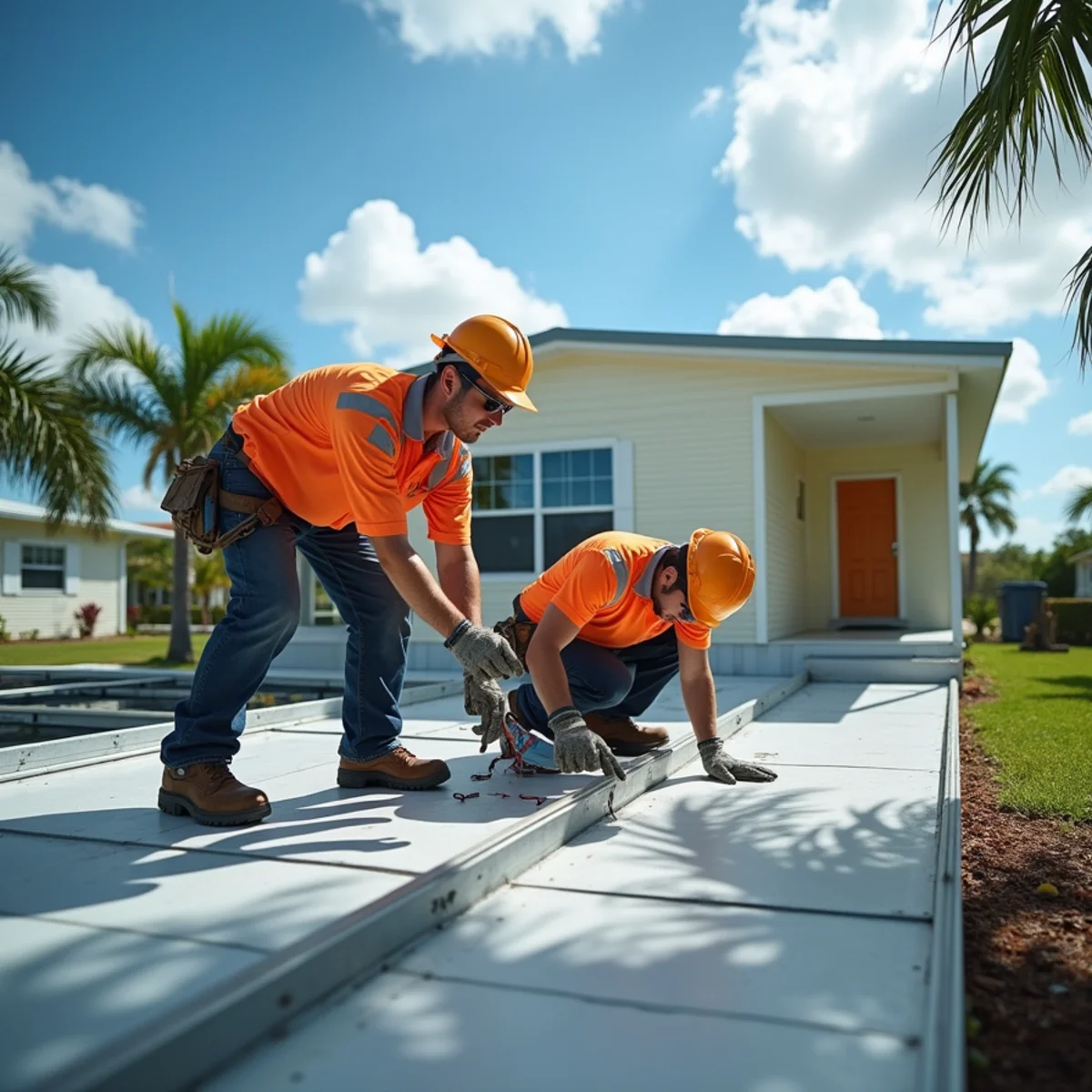
Direct Answer: Evaluating Mobile and Manufactured Home Roof Vulnerabilities
Deciding between a targeted repair and a complete roof-over for a manufactured or mobile home comes down to three factors: the overall age of the metal or rubber membrane, the extent of seam failure, and whether you want to drastically reduce summer cooling bills.
If your home is experiencing a localized leak around a single plumbing vent stack or isolated mechanical seam, an elastomeric polymer seam repair with polyester fabric reinforcement is an affordable, effective stopgap costing $450 to $1,200. However, if your roof has multiple active leaks, chronic metal bowstring rust, or lacks ceiling insulation, installing an insulated aluminum or thermoplastic membrane (TPO) roof-over system is the definitive long-term solution, offering 25 to 30 years of maintenance-free performance.
Anatomy of a Manufactured Home Roof: Flat Seams, Bowstring Trusses, and Thermal Bridging
Manufactured homes in Pinellas communities like Largo, Clearwater, and Pinellas Park differ fundamentally from site-built residential structures. Most feature low-pitch bowstring wooden trusses covered with galvanized sheet metal rolls or single-ply rubber membranes.
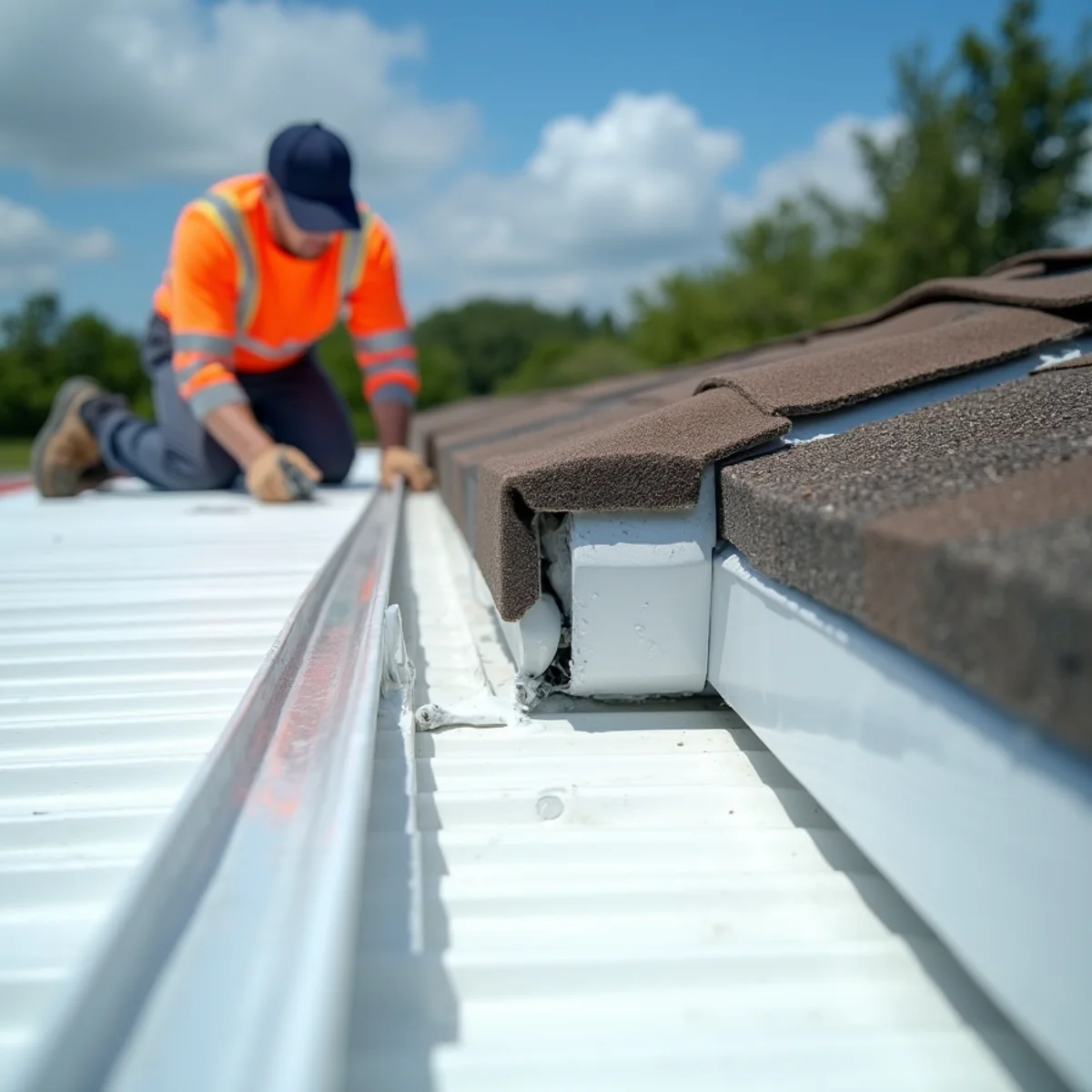
Metal mobile home roofs expand and contract violently during Florida's daily 40-degree temperature swings. This thermal expansion shears fastener heads, cracks perimeter caulking along J-channels, and pops seams apart. Furthermore, because manufactured homes have shallow attic spaces (often just 6 to 12 inches), radiant heat transfers directly through metal into living rooms, overworking air conditioning units.
Need Immediate Guidance on Your Clearwater Roof?
Speak with our local coordinator at (773) 207-0769. Open 24/7 with rapid Pinellas County response.
Option A: Insulated Aluminum or Membrane Roof-Over Systems
A 'roof-over' is a complete engineered roofing system installed directly over the top of your existing mobile home roof without requiring a messy, expensive structural teardown.
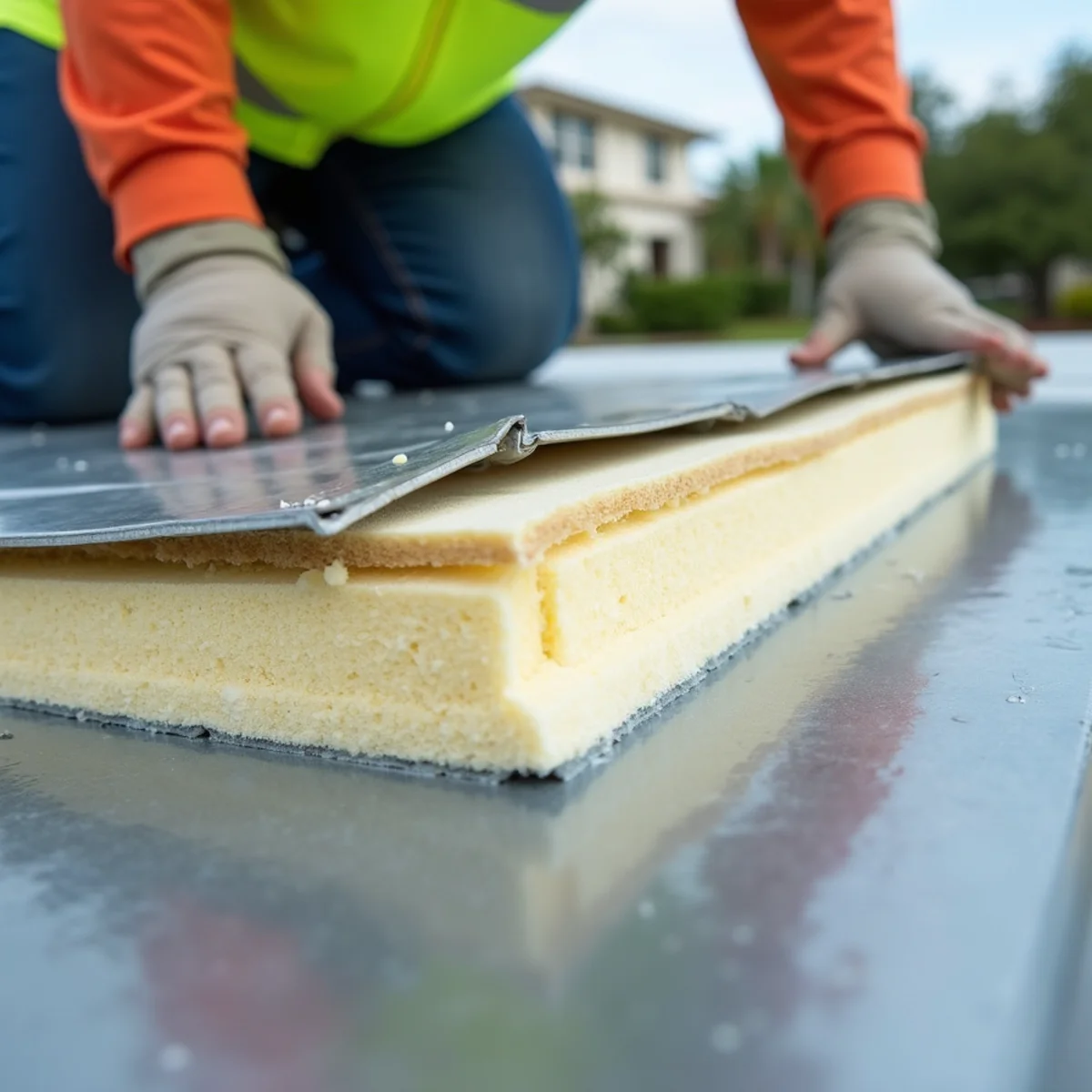
First, technicians lay 1.5-inch to 2-inch high-density expanded polystyrene (EPS) rigid foam insulation across the entire existing roof deck. This rigid foam contours to low spots, bridges structural seams, and adds an R-8 to R-12 thermal insulation barrier. Next, crews install seamless heavy-gauge pan-aluminum panels or a 50-mil white heat-welded TPO membrane, complete with custom fascia overhangs that shed water well clear of home siding.
- Dramatic Thermal Cooling: 2-inch EPS insulation stops solar heat transfer, frequently lowering monthly AC electric bills by 20% to 35%.
- Acoustic Soundproofing: Dampens the deafening drum noise of heavy rain on bare metal roofs.
- Extended Overhangs: 3-inch to 6-inch eave overhangs prevent water from dripping down exterior wall seams and windows.
- Lifetime Rust Immunity: White baked-enamel aluminum or TPO membranes never rust, oxidize, or require annual recoating.
Option B: Elastomeric Polymer Seam Sealing for Targeted Repairs
When budgets do not permit an immediate roof-over, a professional elastomeric restoration can extend roof life by 3 to 7 years. However, this is not simple hardware store silver paint.
A proper repair requires pressure washing the metal, scraping away failed asphalt mastic, securing loose seams with oversized sheet metal screws, and embedding high-tensile polyester stitch-bonded fabric between two thick coats of high-solids silicone or 100% acrylic elastomeric roof coating.
Mobile Home Roof Repair vs. Insulated Roof-Over Comparison
Comparing both solutions across real-world metrics assists Pinellas mobile home park residents in making the right financial decision.
| Evaluation Factor | Elastomeric Coating Repair | Insulated Aluminum / TPO Roof-Over |
|---|---|---|
| Typical Pinellas Project Cost | $650 – $2,200 | $6,500 – $14,000 |
| Expected Service Lifespan | 3 – 6 Years (requires re-coating) | 25 – 35 Years (virtually maintenance-free) |
| Impact on Summer Electric Bills | Minor (white coating reflects light) | Major (2-inch foam drops AC costs 20% – 35%) |
| Rain Noise Reduction | None (rain still hits metal loudly) | Significant (thick foam absorbs acoustic vibrations) |
| Wind Uplift Performance | Dependent on underlying metal seams | High (engineered perimeter anchor brackets) |
| Resale Value Addition | Minimal (seen as routine maintenance) | High (adds major buyer confidence and curb appeal) |
Permitting Rules and Park Regulations for Manufactured Homes in Pinellas
Pinellas County contains dozens of premier manufactured home and 55+ communities, each governed by specific park regulations and municipal codes. Minor seam sealing generally does not require a building permit.
However, installing an engineered roof-over system requires a formal building permit issued by Pinellas County Building Services or the relevant municipality (such as Largo or Pinellas Park). The permit verifies that the additional dead load complies with HUD code standards and that windstorm anchor brackets meet 140+ mph wind uplift standards.
Wind Zone III Engineering and HUD Code Tie-Down Standards
Pinellas County is located in HUD Wind Zone III (the highest inland design wind rating for manufactured housing), requiring structures to withstand sustained wind speeds of up to 110 mph and gusts exceeding 130 mph.
When installing an insulated roof-over system, perimeter anchor brackets must be engineered to tie directly into primary wall studs rather than flimsy decorative trim. Certified windstorm engineering documentation must be submitted to the local building authority to ensure the installation satisfies insurance carrier underwriting rules.