

Direct Answer: The Pre-June 1st Hurricane Readiness Protocol for Tampa Bay Roofs
The Atlantic hurricane season officially spans from June 1 through November 30, with peak storm activity affecting the Gulf Coast between August and late October. For Pinellas County homeowners, preparing your roof cannot wait until a tropical depression forms in the Caribbean.
A comprehensive pre-season roof audit addresses the five most vulnerable failure zones on coastal structures: perimeter drip edges, soffit panels under eaves, flashing transitions, roof penetration boots, and loose surface coverings. Completing these 7 critical steps before storm warnings sound ensures your roof acts as an impenetrable wind-and-water barrier, protecting your family and preserving your home's structural integrity.
Checklist Item 1: Inspect Perimeter Fascia and Drip Edge Wind-Lock Integrity
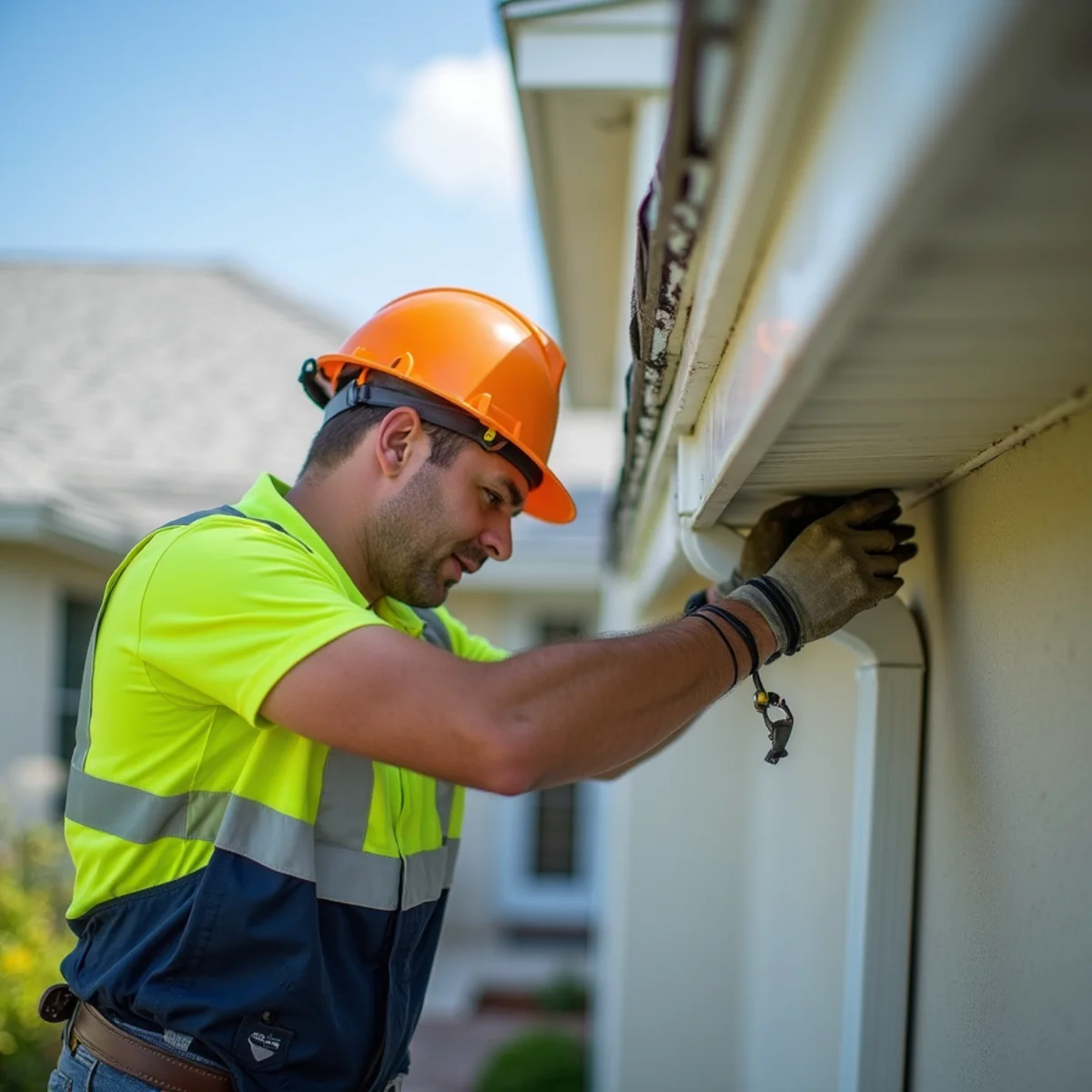
Hurricane-force winds generate immense negative pressure (uplift) at the eaves and rakes of a roof. If the metal perimeter drip edge is loose, rusted, or inadequately nailed, wind catches the metal lip like a crowbar, peeling back the edge and exposing the underlying plywood deck to torrential wind-driven rain.
Verify that your drip edge is fastened at code-specified intervals (every 4 inches along eaves) and that fascia boards beneath are free of soft wood rot or termite damage.
Need Immediate Guidance on Your Clearwater Roof?
Speak with our local coordinator at (773) 207-0769. Open 24/7 with rapid Pinellas County response.
Checklist Item 2: Secure Soffit Panels Under Eaves to Prevent Wind Inward Pressurization
During major hurricanes like Ian and Irma, forensic engineering audits revealed that thousands of collapsed ceilings were caused not by blown-off shingles, but by failed vinyl and aluminum soffits under roof overhangs.
When wind pushes into eave overhangs, loose soffits blow out into the attic. High-velocity wind then rushes into the attic cavity, creating tremendous internal air pressurization that lifts roof sheathing from below and blows interior drywall ceilings downward into living rooms. Ensure all soffit tracks are mechanically screwed into sub-fascia framing with stainless steel fasteners.

Checklist Item 3: Clear Debris from Valleys and Gutters
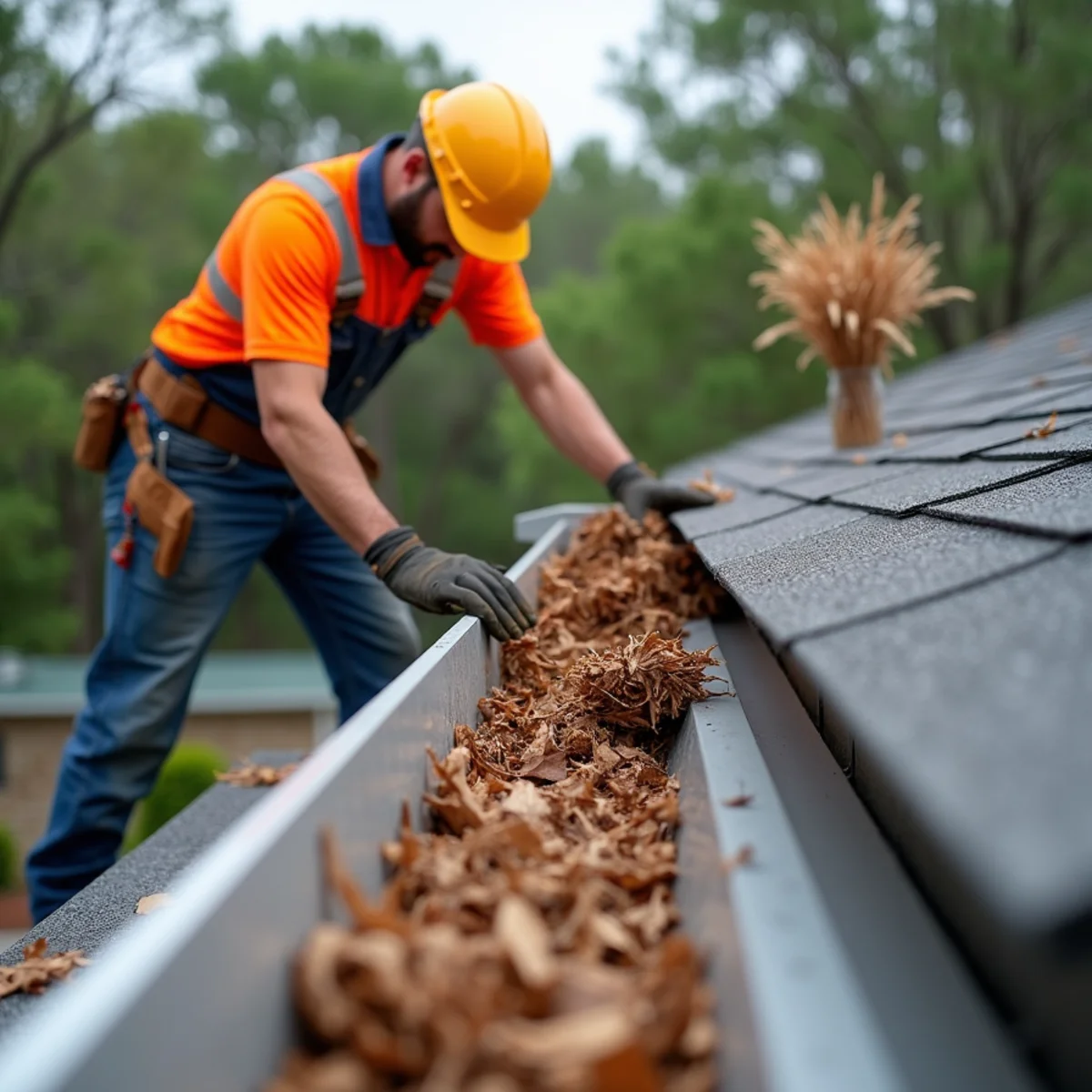
In communities filled with mature trees like Safety Harbor and Palm Harbor, dead oak leaves, Spanish moss, and palm fronds accumulate in roof valleys and gutters. During a storm dumping 3 inches of rain per hour, this debris acts as a dam.
Water backs up behind the clog, submerging lower shingle courses and overflowing behind gutter aprons directly into soffit framing. Clear all valleys, scuppers, and downspouts thoroughly before storm season begins.
Checklist Item 4: Prune Overhanging Live Oak and Palm Fronds
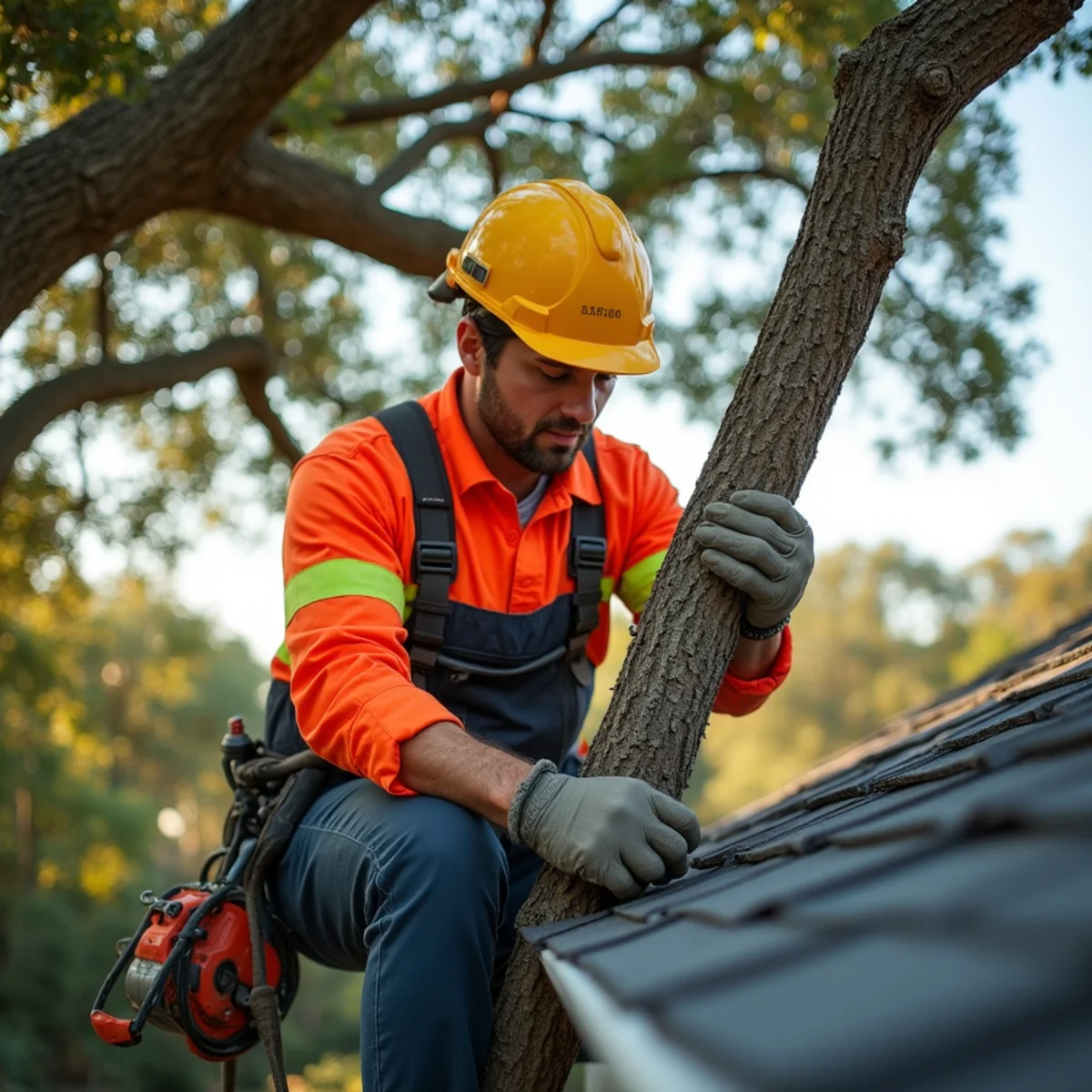
Tropical storm winds turn heavy tree limbs into lethal battering rams. Live oak branches scraping against shingles during 50 mph winds strip away protective ceramic granules in minutes, while heavy falling palm fronds or rotten limbs can puncture roof decking entirely.
Hire a certified arborist to prune all canopy branches back at least 10 feet from your roofline.
Checklist Item 5: Inspect Rubber Plumbing Pipe Boots and Penetration Flashings
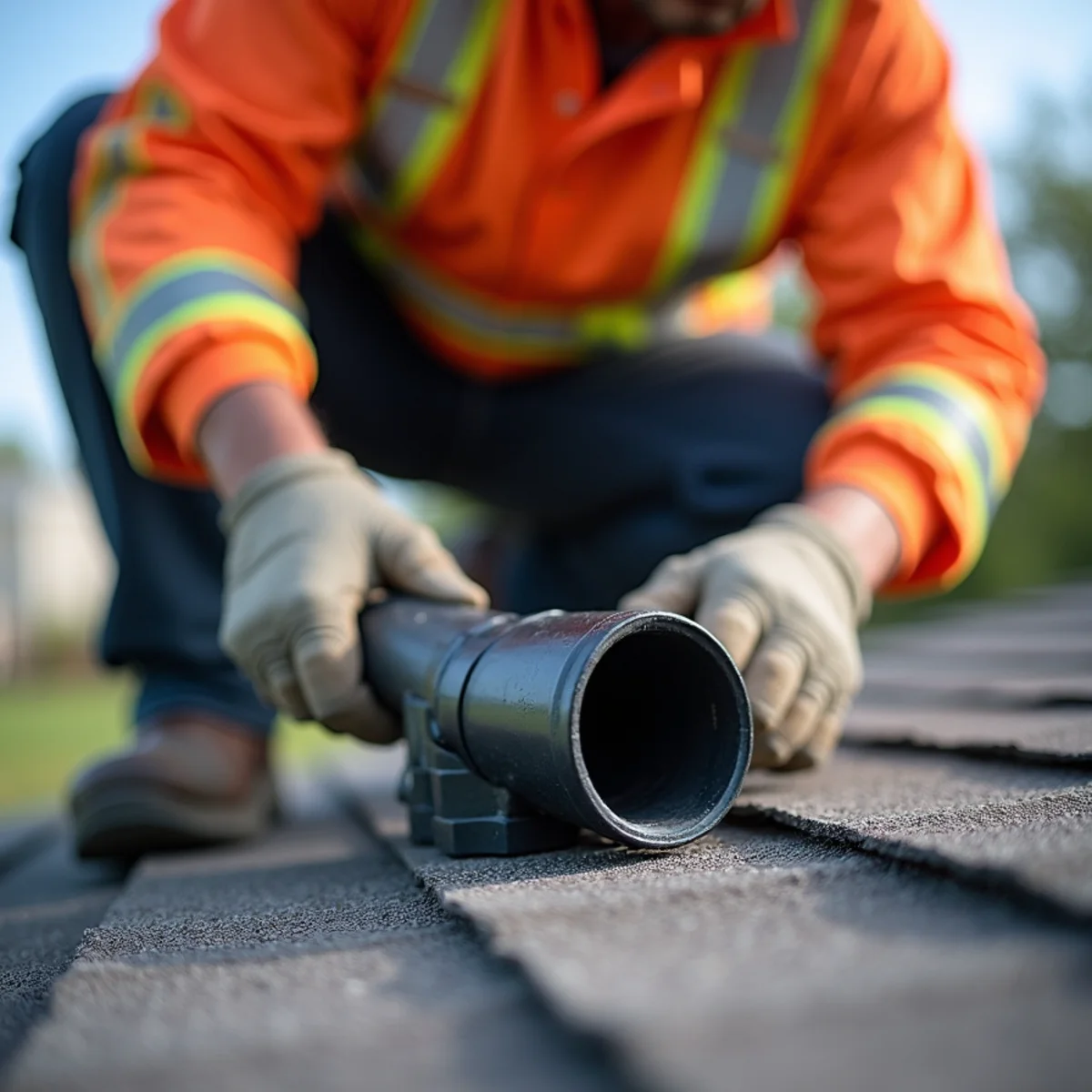
Roof plumbing vent stacks are sealed with neoprene rubber boot collars. In Florida's scorching climate, neoprene rubber degrades, dries out, and cracks within 5 to 7 years.
During ordinary rains, a cracked boot causes minor attic seepage; during a hurricane with horizontal driving rain, it channels gallons of water directly down electrical conduits and bathroom walls. Replace cracked collars with UV-resistant silicone or lead boots.
Checklist Item 6: Inspect Attic Sheathing, Truss Connections, and Daylight Leaks
Step into your attic on a bright, sunny afternoon before storm season. Switch off your flashlight and look around the perimeter. If you see daylight peeking through roof joints, driving rain will easily follow that path.
Examine roof sheathing for dark water stains or fungal growth. Inspect metal hurricane tie-down straps connecting roof trusses to exterior masonry tie-beams, ensuring fasteners are uncorroded and firmly seated.

Checklist Item 7: Review Windstorm Policy Declarations and Deductibles
Do not wait until a named storm is bearing down on Tampa Bay to read your insurance declarations page. Verify your hurricane deductible—most Florida policies carry a separate 2%, 5%, or 10% hurricane deductible based on your home's total insured dwelling value (Coverage A).
For a home insured for $450,000, a 5% hurricane deductible means an out-of-pocket expense of $22,500 before your insurance carrier pays a dime. Take comprehensive, date-stamped 360-degree video and photographs of your entire roof, soffits, and interior ceilings to establish your pre-storm baseline.

Hurricane Season Timeline for Pinellas County Homeowners
Follow this chronological timeline to ensure every phase of preparation is executed without last-minute panic.
| Timeline Window | Primary Focus | Key Action Items | Who Performs It? |
|---|---|---|---|
| April 1 – May 15 (60 Days Out) | Comprehensive Roof Inspection | Hire licensed roofer for 21-point structural and flashing audit; repair loose flashings | Licensed Roofing Contractor |
| May 15 – May 31 (14 Days Out) | Canopy & Perimeter Defense | Prune tree limbs 10ft back; clear valleys, gutters, and downspout extensions | Homeowner / Certified Arborist |
| June 1 – Nov 30 (Active Season) | Documentation & Readiness | Archive pre-storm photo/video logs to cloud storage; verify hurricane deductible savings fund | Homeowner |
| 48 Hours Before Landfall | Final Securing & Staging | Clear patio furniture, store ladders inside, secure emergency tarping contact number | Homeowner |